
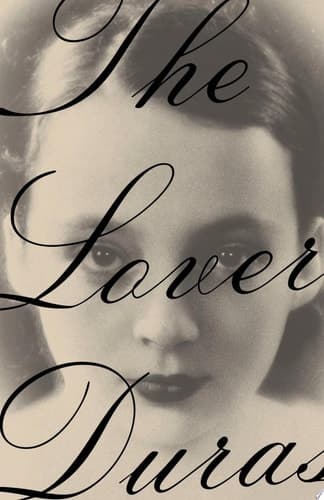
Lover, Wartime Notebooks, Practicalities
About this book
Publication Details
- Publisher
- Knopf Incorporated, Alfred A.
- Published
- 2018
- Pages
- 504
- ISBN
- 9781101907931
About Unknown Author
Marguerite Donnadieu, better known as Marguerite Duras (4 April 1914 – 3 March 1996) was a French writer and film director. She was born in Gia-Dinh (a former name for Saigon), French Indochina (now Vietnam), after her parents responded to a campaign by the French government encouraging people to work in the colony. Marguerite's father fell ill soon after their arrival, and returned to France, where he died. After his death, her mother, a teacher, remained in Indochina with her three children. The family lived in relative poverty after her mother made a bad investment in an isolated property and area of farmland in Cambodia. The difficult life that the family experienced during this period was highly influential on Marguerite's later work. An affair between the teenaged Marguerite and a Chinese man was to be treated several times (described in quite contrasting ways) in her subsequent memoirs and fiction. She also reported being beaten by both her mother and her older brother during this period. At 17, Marguerite went to France, her parents' native country, where she began studying for a degree in law. This she soon abandoned to concentrate on political sciences, and then law. After completing her studies, she became an active member of the PCF (the French Communist Party). In the late 1930s she worked for the French government office representing the colony of Indochina. During the war, from 1942 to 1944, she worked for the Vichy government in an office that allocated paper to publishers (in the process operating a de facto book censorship system), but she was also a member of the French Resistance. Her husband, Robert Antelme, was deported to Bergen-Belsen for his involvement in the Resistance, and barely survived the experience (weighing on his release, according to Marguerite, just 84 lbs). In 1943 she changed her surname to Duras, the name of a village in the Lot-et-Garonne département, where her father's house was located. She is the author of m
More by Unknown Author




Track your reading journey with BookOwl