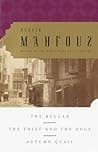
The Beggar, The Thief and the Dogs, Autumn Quail
About this book
Publication Details
- Publisher
- Knopf Doubleday Publishing Group
- Published
- 2000
- Pages
- 480
- ISBN
- 9780525432036
- Language
- en
- Editions
- 2
About Naguib Mahfouz
نجيب محفوظ عبد العزيز إبراهيم أحمد الباشا (11 ديسمبر 1911 – 30 أغسطس 2006) هو كاتب مصري. يُعد أول مصري وعربي حائز على جائزة نوبل في الأدب. كتب نجيب محفوظ منذ الثلاثينات واستمر حتى 2004. تدور أحداث جميع رواياته في مصر وتظهر فيها سمة متكررة، هي الحارة التي تعادل العالم. كتب نجيب محفوظ أكثر من ثلاثين رواية اشتهرت غالبيتها وتم إنتاجها سينمائيًا أو تلفزيونيًا وكانت أول رواياته هي عبث الأقدار (1939)، أما آخرها، فكانت قشتمر (1988)، كما كتب أكثر من عشرين قصة قصيرة وكان آخرها أحلام فترة النقاهة (2004). ومن أشهر أعماله: بداية ونهاية (1949)، والثلاثية (1956–1957)، وأولاد حارتنا (1959)، والتي مُنعت من النشر في مصر منذ صدورها وحتى وقتٍ قريب، واللص والكلاب (1961)، وثرثرة فوق النيل (1966)، والكرنك (1974)، والحرافيش (1977). بينما يُصنف أدب محفوظ باعتباره أدبًا واقعيًا، فإن مواضيعًا وجودية تظهر فيه. محفوظ أكثر أديب عربي نُقلت أعماله إلى السينما والتلفزيون. ---------- Naguib Mahfouz Abdelaziz Ibrahim Ahmed Al-Basha (Arabic: نجيب محفوظ عبد العزيز ابراهيم احمد الباشا, I11 December 1911 – 30 August 2006) was an Egyptian writer who won the 1988 Nobel Prize in Literature. In awarding the prize, the Swedish Academy described him as a writer "who, through works rich in nuance – now clear-sightedly realistic, now evocatively ambiguous – has formed an Arabian narrative art that applies to all mankind". Mahfouz is regarded as one of the first contemporary writers in Arabic literature, along with Taha Hussein, to explore themes of existentialism. He is the only Egyptian to win the Nobel Prize in Literature. He published 35 novels, over 350 short stories, 26 screenplays, hundreds of op-ed columns for Egyptian newspapers, and seven plays over a 70-year career, from the 1930s until 2004. All of his novels take place in Egypt, and always mention the lane which equals the world. His most famous works include The Cairo Trilogy and Children of Gebelawi. Many of Mahfouz's works have been made into Egyptian and foreign films; no Arab writer exceeds Mahfouz in number of works that have been ad
More by Naguib Mahfouz


Track your reading journey with BookOwl