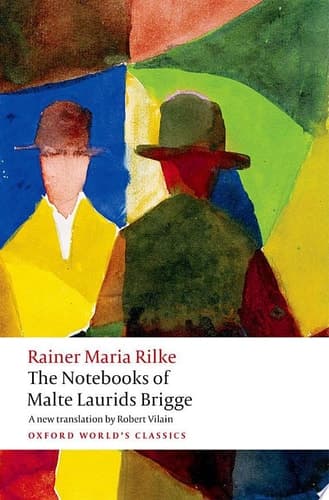
Notebooks of Malte Laurids Brigge
About this book
Publication Details
- Publisher
- Oxford University Press
- Published
- 2016
- Pages
- 272
- ISBN
- 9780199646036
- Language
- en
About Unknown Author
Rainer Maria Rilke (* 4. Dezember 1875 in Prag, Österreich-Ungarn; † 29. Dezember 1926 im Sanatorium Valmont bei Montreux, Schweiz; eigentlich René Karl Wilhelm Johann Josef Maria Rilke) war ein österreichischer Lyriker deutscher und französischer Sprache. 1905 erschien sein Stundenbuch mit nachdenklichen, nicht selten religiösen Gedichten, wodurch er bald eine große Popularität erreichte. Die zumeist eingängigen, teils ekstatischen, teils melancholischen Verse prägten das Bild vom prophetischen Dichter Rilke nachhaltig. In seinem Buch der Bilder führte er seine Lyrik, die Reflexionen über Transzendenz und Existenz miteinschloss, fort und vollendete gerade in den Abschiedsgedichten den Ausdruck impressionistischer Lyrik. Mit seiner in den Neuen Gedichten vollendeten, von der bildenden Kunst beeinflussten Dinglyrik gilt er als einer der bedeutendsten Dichter der literarischen Moderne. In seinem Spätwerk führte er die Gattung Elegie in seinen Duineser Elegien nach der Weimarer Klassik und Friedrich Hölderlin auf ihren letzten Höhepunkt in der deutschsprachigen Literatur. ---------- René Karl Wilhelm Johann Josef Maria Rilke (4 December 1875 – 29 December 1926), known as Rainer Maria Rilke, was an Austrian poet and novelist. Acclaimed as an idiosyncratic and expressive poet, he is widely recognized as a significant writer in the German language.[1] His work is viewed by critics and scholars as possessing undertones of mysticism, exploring themes of subjective experience and disbelief. His writings include one novel, several collections of poetry and several volumes of correspondence.
More by Unknown Author
Track your reading journey with BookOwl